1981–91
The idea takes shape
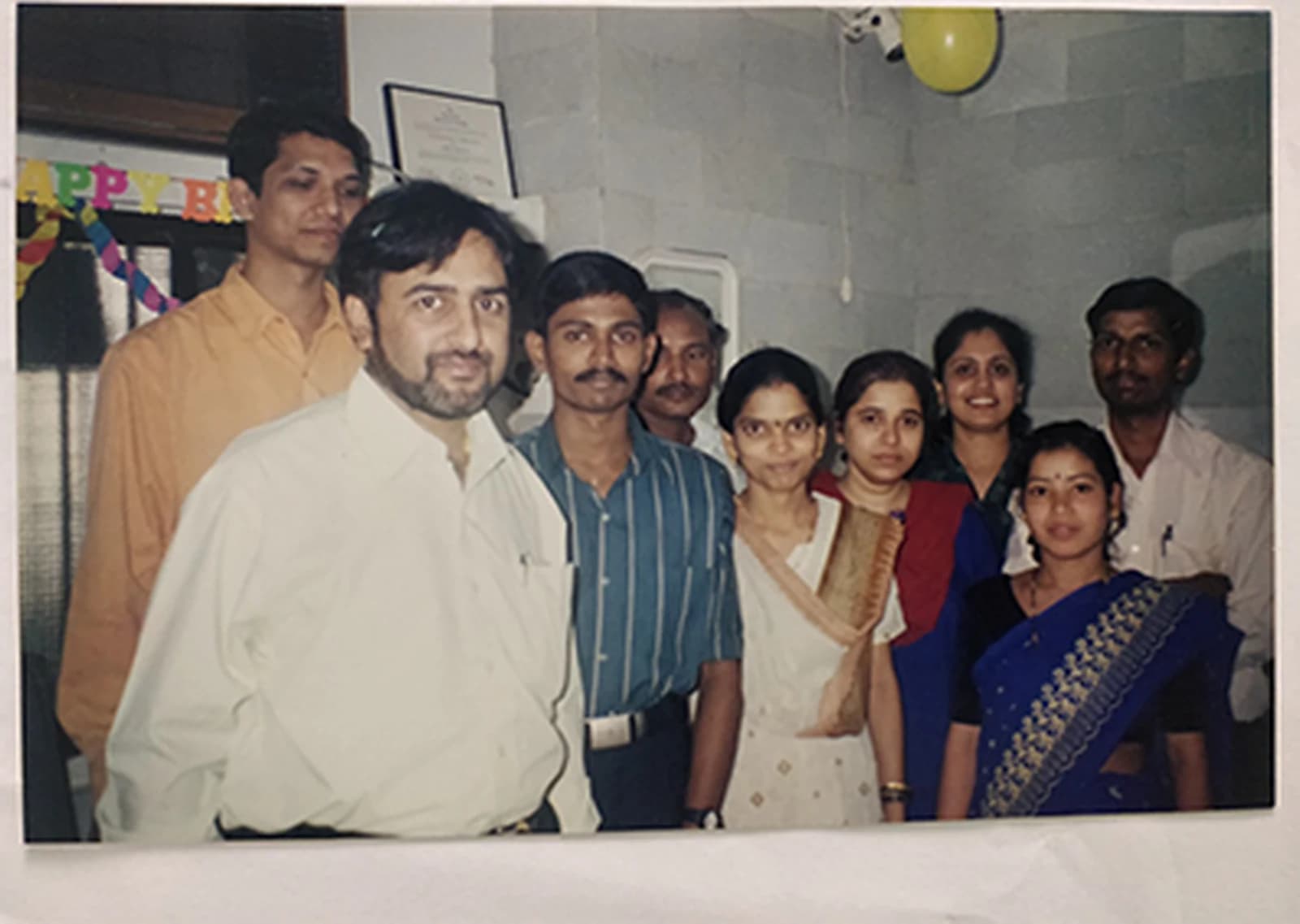
Work at Mumbai’s J.J. Hospital showed Dr. Ishwar Gilada how urgently patients needed privacy, courtesy and humane care alongside clinical expertise.
 Call the clinic
Our Story
Unison grew from the belief that clinical rigour, privacy and respect should always belong in the same room.
1981–91
Work at Mumbai’s J.J. Hospital showed Dr. Ishwar Gilada how urgently patients needed privacy, courtesy and humane care alongside clinical expertise.
1985–86
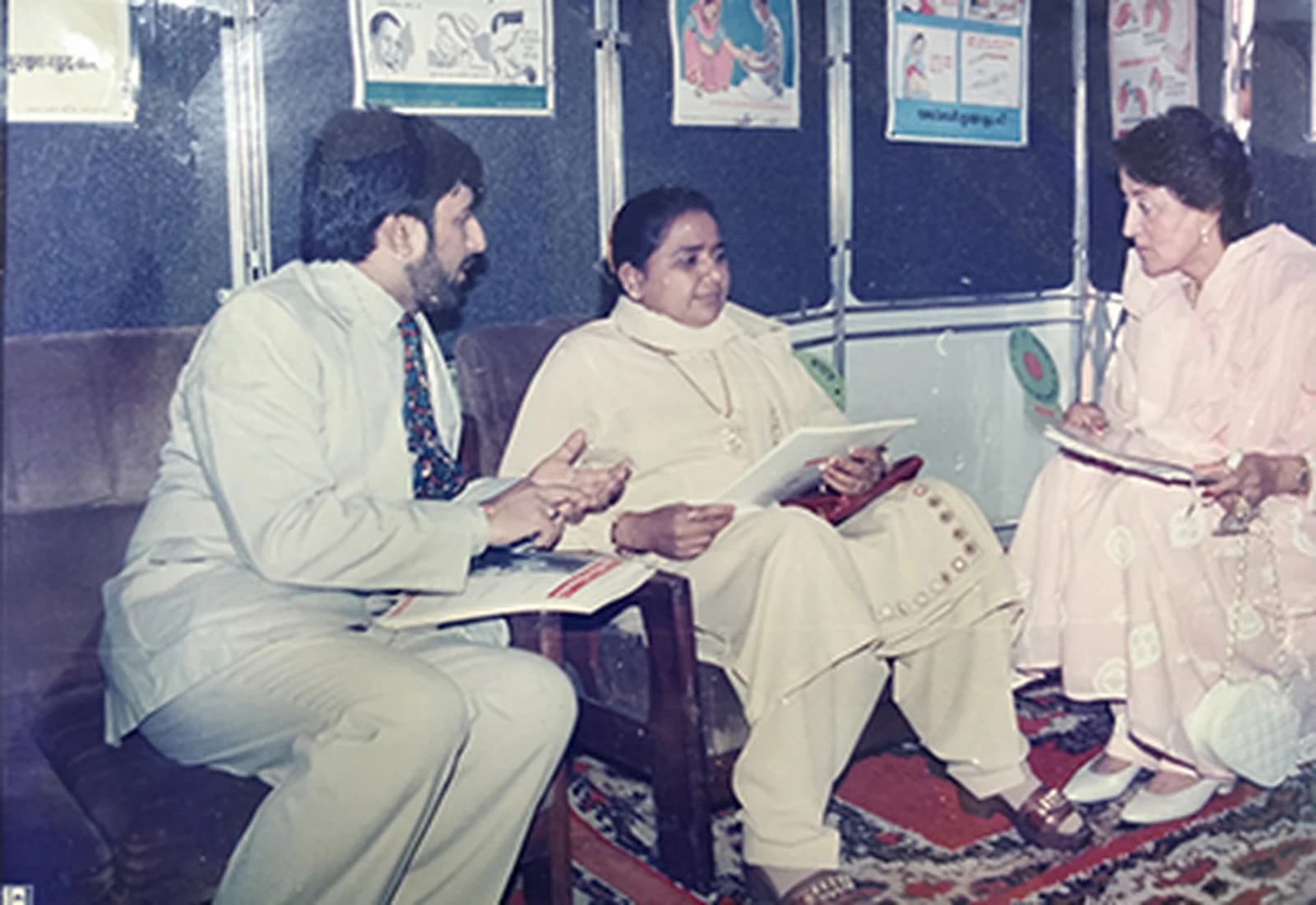
Early HIV awareness, counselling and clinical work grew into a wider commitment to education, advocacy and care without stigma.
1995
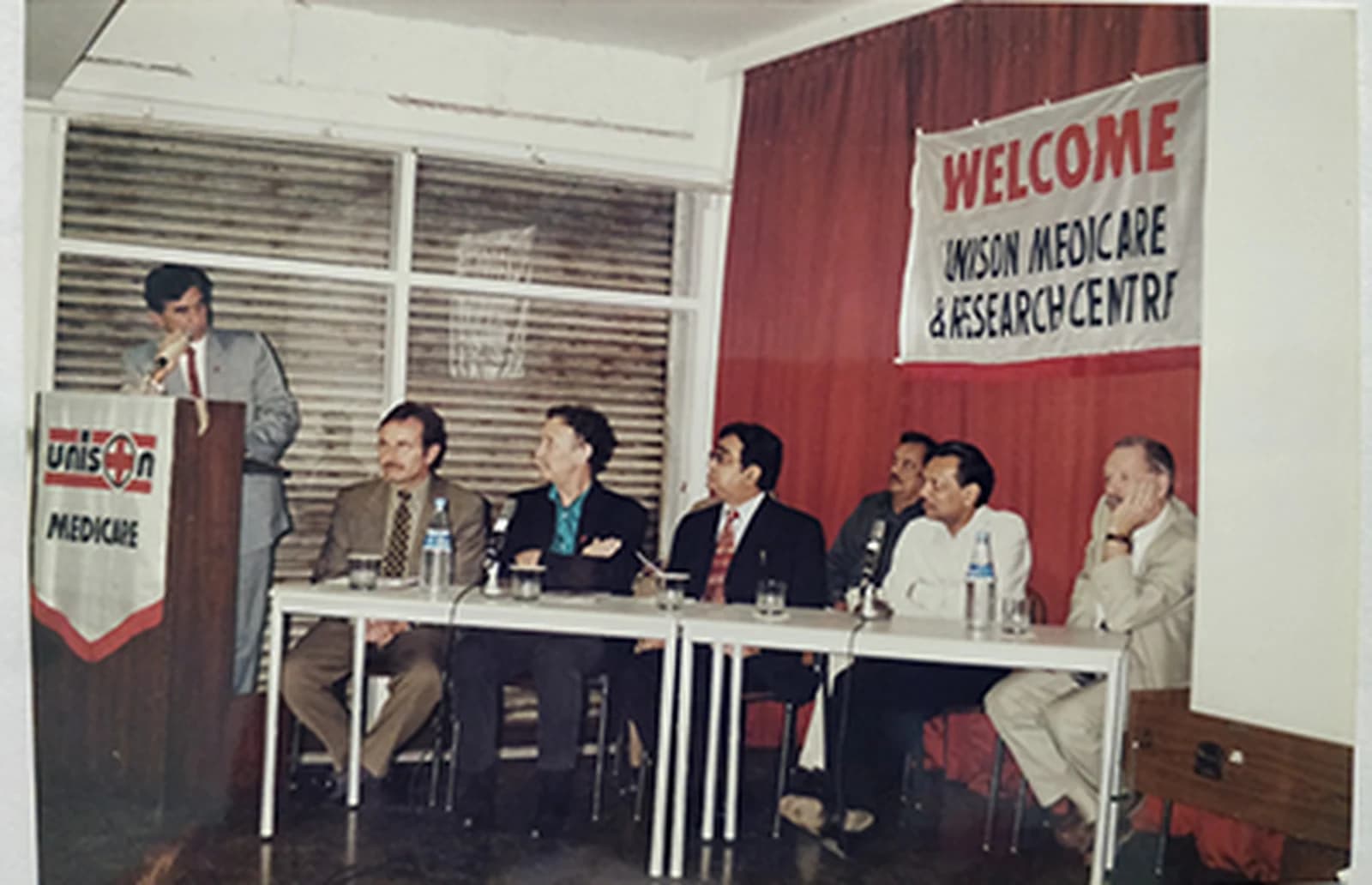
Unison Medicare & Research Centre opened on 5 February 1995 as a holistic, ethical and affordable clinic built around non-discriminatory care.
2016 onward
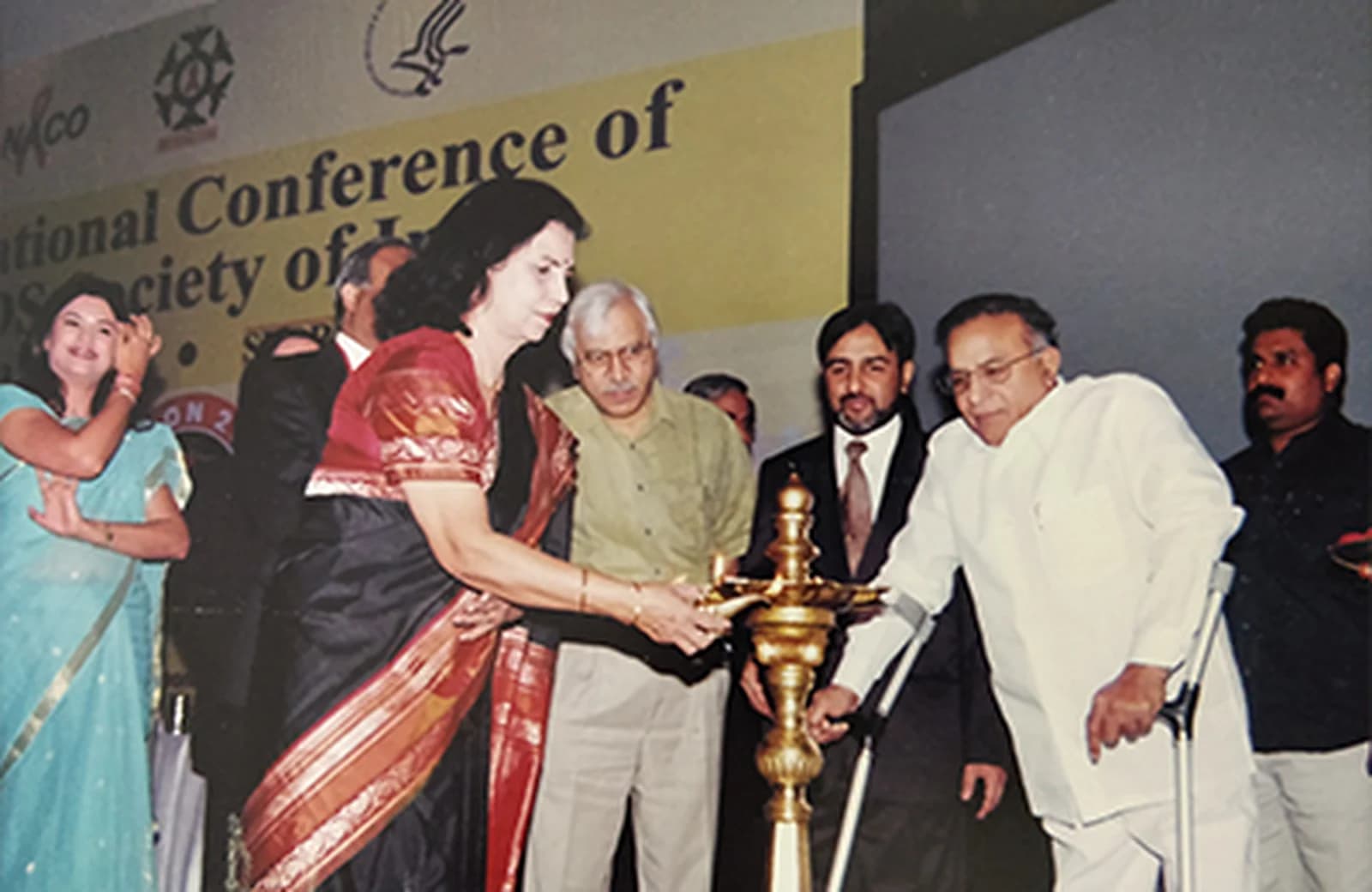
With Dr. Trupti Gilada joining the team, Unison developed into a fuller infectious-disease and adult-medicine centre, supported by microbiology and diagnostics.
2021
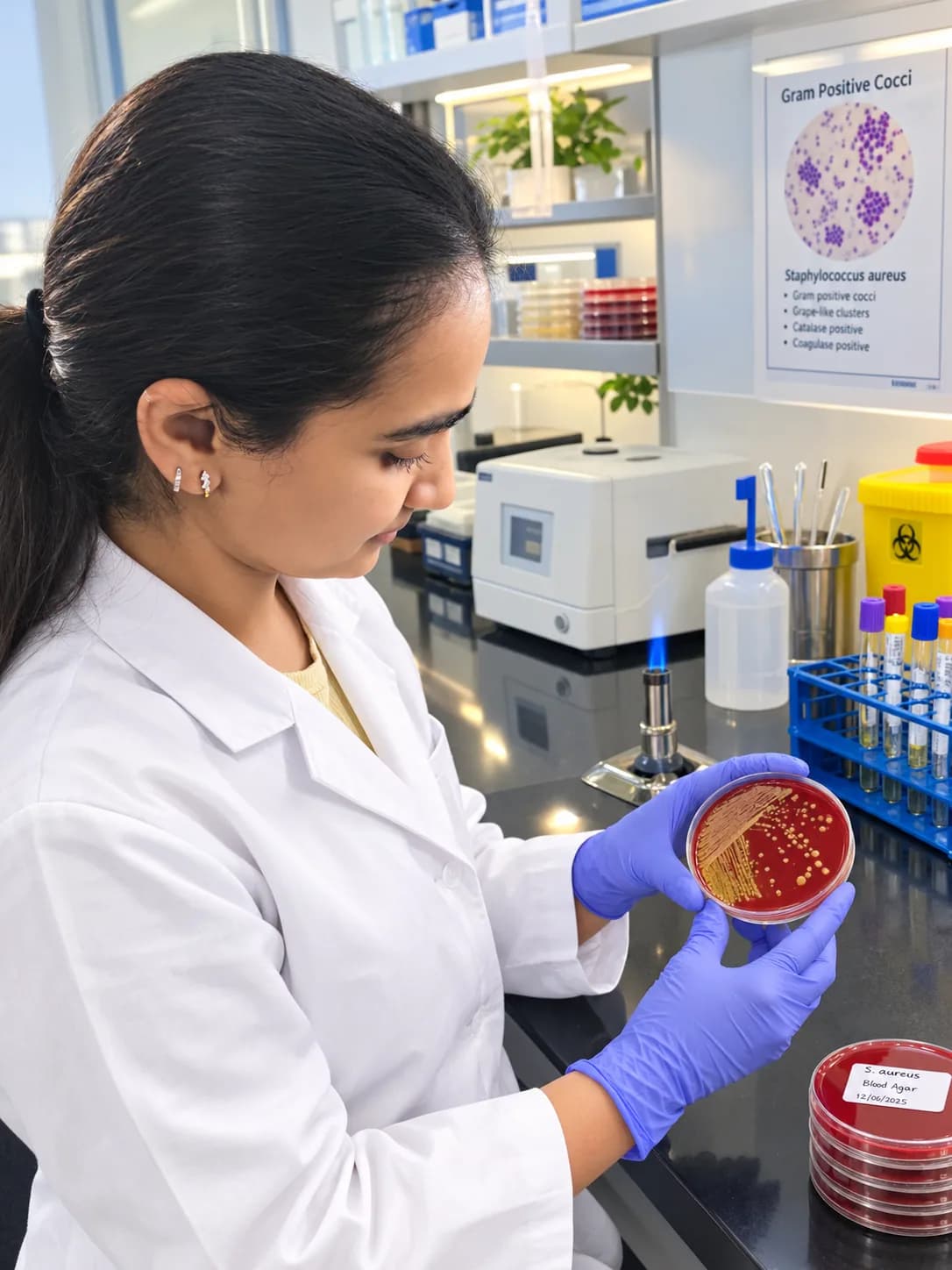
Unison established UniLabs Diagnostics as its diagnostic wing, bringing specialised microbiology and infectious-disease testing together with routine pathology, biochemistry, home sample collection and integrated laboratory services.
A record of firsts
Unison did not appear from nowhere. It grew out of four decades of responding to a new epidemic, often before anyone else would.
Among the first in India to raise the alarm about AIDS, and credited with detecting some of the country's earliest HIV infections.
Establishes India's first AIDS clinic at J.J. Hospital, Mumbai.
Becomes the first Indian to receive specialised HIV training, in San Francisco and New Jersey.
Organises and chairs the World Congress on AIDS in Mumbai.
Founds Asian Solidarity Against AIDS (ASAA).
Begins 15 years as editor-publisher of AIDS ASIA, Asia's first AIDS newsletter.
Opens Unison, India's first private HIV clinic, which has since cared for more than 7,700 patients.
Begins championing “patients before patents” in the global treatment-access movement.
The Saheli project, run by his People's Health Organisation, is featured in a film that wins the Prix Italia.
Takes the pandemic's public-health questions to the Supreme Court and to the public, in more than 300 videos, articles and podcasts.
“The Blunting of an Epidemic” chronicles four decades of his work. A Hindi edition follows in 2024.
Patients before patents
Since 1998, Dr. Ishwar Gilada has argued for affordable access to HIV treatment. He was involved in the advocacy around the landmark patent-versus-patients debate, including the 2001 South African patent case, and supported Indian manufacturers in making quality-assured combination therapy affordable across the Global South.
The change was dramatic. Combinations that had once cost more than US$10,000 per patient per year internationally became available through Indian generics for around US$100 a year. At Unison, the same belief shapes everyday care: treatment should reach the people who need it.
When a new crisis arrived
During COVID-19, Dr. Gilada took up dignified last rites and the discrimination faced by patients and families. Following his application, the Supreme Court of India passed favourable orders, including on reducing the cost of COVID-19 testing.
He worked to keep HIV services running through lockdown, published more than 300 multilingual videos, articles and podcasts, and wrote 97 instalments of a regional-language newspaper column, the “Corona-Corner”.
The continuing story
Unison's history is not only a sequence of dates. It is a record of responding early, building trust with communities and bringing that experience into everyday clinical care.
Today, the centre connects senior clinical judgement with adult medicine, infectious diseases, microbiology, counselling and diagnostics—while keeping the person behind the diagnosis in view.
A legacy in practice
Recognising emerging health challenges early and responding with evidence, attention and practical care.
Confidential, non-judgmental care shaped by decades of working with people who were too often overlooked.
Extending care beyond the consultation room through teaching, research, advocacy and public-health communication.